




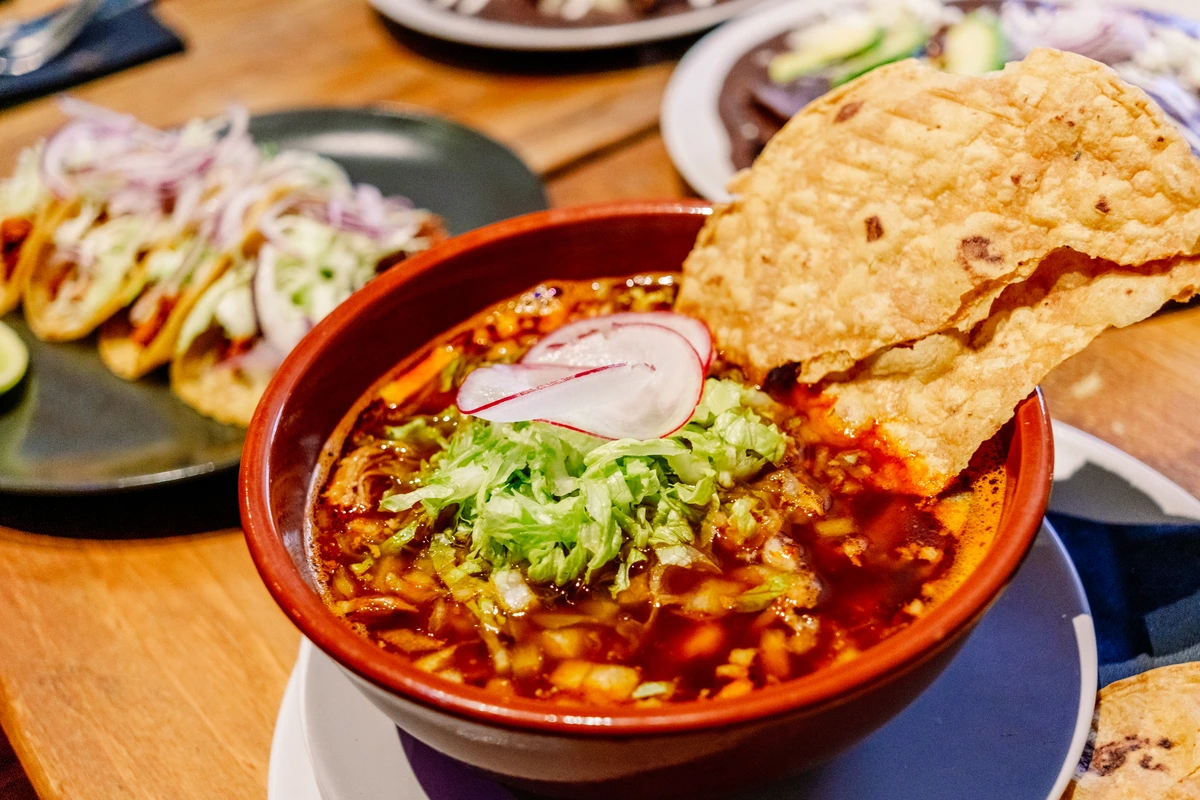
If you’re looking for a New Year’s day food that brings both warmth and good fortune, you’ll find it simmering on stoves across New Mexico in the form of posole. This humble bowl of hominy, chile, and slow-cooked meat has become a symbol of comfort and celebration in the Southwest.
At Loma Vista Products, we celebrate the dishes that carry meaning beyond flavor. Posole is one of them, being a centuries-old recipe rooted in Indigenous heritage and kept alive in kitchens across the Southwest. It’s history, heritage, and the hope of a fresh start with every spoonful.
In this post, we’re exploring why posole is the good luck food for New Years day New Mexicans count on each year, including how it’s prepared, what it means, and why this bowl of warmth is the perfect way to welcome new beginnings.
A Traditional New Year’s Day Meal With Heart and Heat
In New Mexico, the first day of the year doesn’t start with black-eyed peas or collard greens like it does in other states. While other cultures cook lucky noodles or greens for prosperity, New Mexicans gather around steaming bowls of posole.
You’ll find this New Year’s day meal simmering in kitchens from Las Cruces to Taos, filling homes with the rich, earthy aroma of red chile and hominy.
Every family has their own version. Some prefer red chile with slow-cooked pork while others swear by a tangy green chile base with chicken or roasted vegetables. But one thing never changes: it’s a luck food meant to be shared.
Passing tortillas, squeezing limes, and topping each bowl with fresh onion and oregano is part of the tradition. It’s the kind of comfort that warms you from the inside out, a reminder that the new year should begin with community and gratitude.
For many, that tradition runs generations deep, one rooted not just in flavor, but in history. And to understand why posole holds such meaning in New Mexico, you have to look at where it came from.
The Heritage and History of Posole
Long before it became a traditional New Year’s eve food in New Mexico, posole was a sacred dish. It carried deep meaning for the Indigenous peoples of Mesoamerica. Its key ingredient, hominy, comes from maize, a crop considered the foundation of life itself.
Through a process called nixtamalization—soaking corn in an alkaline solution—corn maize was transformed into hominy, unlocking its nutrients and giving it the chewy, hearty texture that defines posole today.
To ancient people, this transformation symbolized renewal and rebirth, the themes that still echo every New Year when the dish is made to mark a fresh start.
When Spanish settlers arrived in the Southwest, they brought new ingredients and traditions that mingled with Native cooking. Chile became the defining flavor, red or green depending on what grew locally. Pork replaced wild game as the primary protein.
Why Posole Represents Food for Good Luck
What began as a ceremonial stew evolved into the comforting New Year’s day dinner New Mexicans now know and love: hearty, spicy, and deeply tied to place and history.
At its core, posole is about a celebration of survival, abundance, and shared heritage. And it’s those very qualities that make it the perfect meal to welcome the new year.
Cooking it is an act of love, and sharing it is a promise of connection. Pots bubble away on stovetops while families drop by to visit, laugh, and refill their bowls. It’s as much about community as it is about comfort.
Making posole is also an act of patience, a slow, intentional process that mirrors the values people hope to carry into the new year. It reminds us to slow down, savor the moment, and share what we have.
In that way, it’s a good luck ritual. And for those who like to make the dish their own, that brings up one of New Mexico’s favorite debates: should it be red or green?
Red or Green? Cooking Posole, New Mexico Style
Ask ten New Mexicans how to make posole, and you’ll get ten different answers, each one confident that theirs is the best.
Some are loyal to red chile, others will only make it green, and plenty choose “Christmas-style,” a mix of both. But no matter how it’s made, every version starts with the same comforting base: hominy, broth, and New Mexican heart.
Red chile posole is the classic way. It’s slow-simmered with pork, garlic, and deep, smoky red chile pods that infuse the broth with warmth and spice. It’s rich, savory, and feels like a hug from home. Every bite carries that earthy heat that has made it a holiday staple for generations.
Green chile posole, on the other hand, brings a lighter, brighter flavor. Often made with chicken or roasted Hatch green chile, it’s tangy, fresh, and perfect for those who like a little more zip. It’s the kind of stew that feels restorative, ideal for chilly mornings and new beginnings.
No two pots are ever quite the same. Some families add oregano or lime, others top it with cabbage, radish, or onion. The beauty of posole lies in that personal touch and the way every bowl reflects the cook behind it.
Make Posole Today, the New Year’s Day Food for Luck
At Loma Vista Products, we believe that the best traditions start in the kitchen. Each New Year, as pots of posole simmer across New Mexico, families and friends gather to celebrate. It’s more than a dinner date on the calendar, it’s about connection, comfort, and the promise of good fortune in every bite.
Whether you’re trying a classy pork posole rojo or a Hatch green chile posole verde with chicken, we encourage you to customize your dish and make it your own. Celebrate the season the New Mexican way with a bowl of luck, a dash of chile, and the timeless comfort of posole.
Shop our full collection of Loma Vista ingredients and make your own version of posole today!